
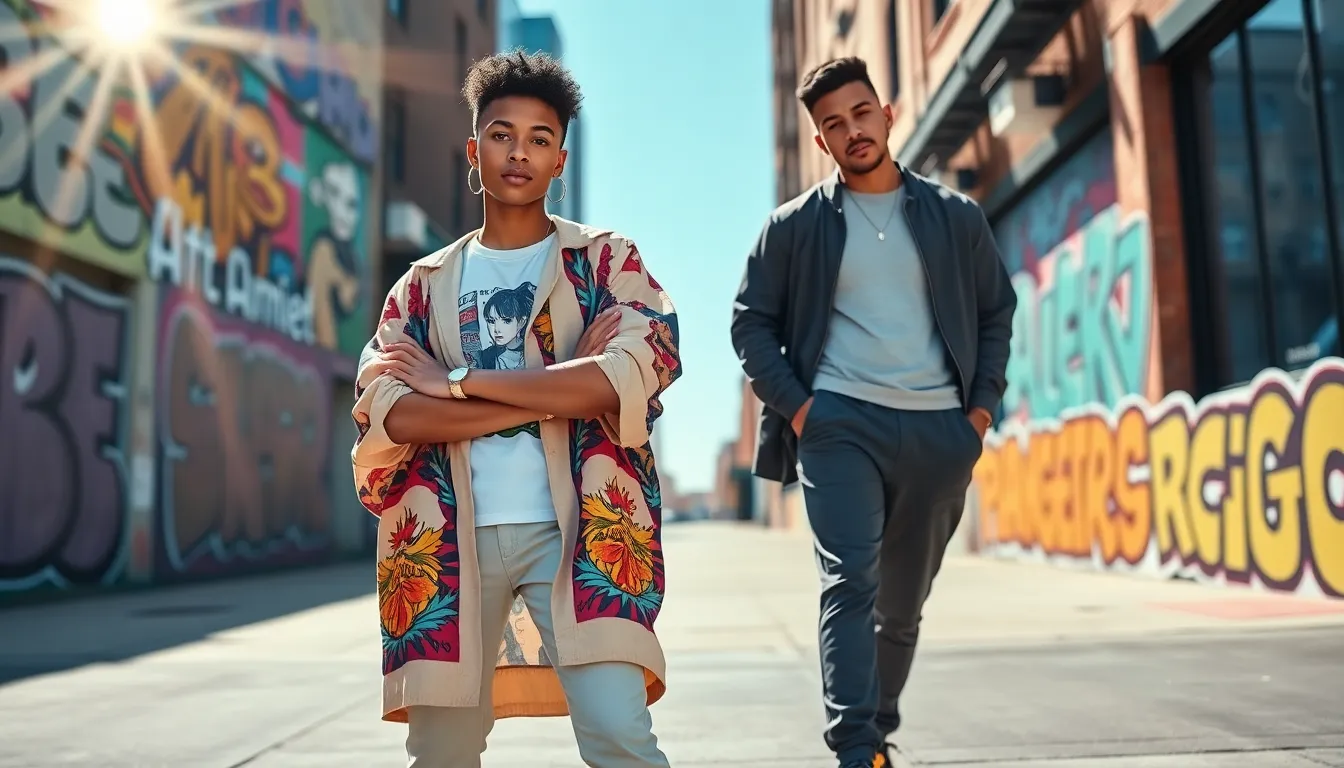

When you think of Italian fashion, images of haute couture and sleek runways likely come to mind. But there’s another side to this vibrant culture that’s shouting for attention: Italian streetwear. Picture this: the rich tapestry of Italy’s artisanal craftsmanship colliding with the edgy flair of urban youth culture. In this dynamic blend, tradition meets modernity in a beautifully chaotic way. So strap in, because this article is about to dive deep into the roots and evolution of Italian streetwear – and trust me, it’s going to be as eye-catching as a Gucci sneaker at a flea market.
Italian Streetwear
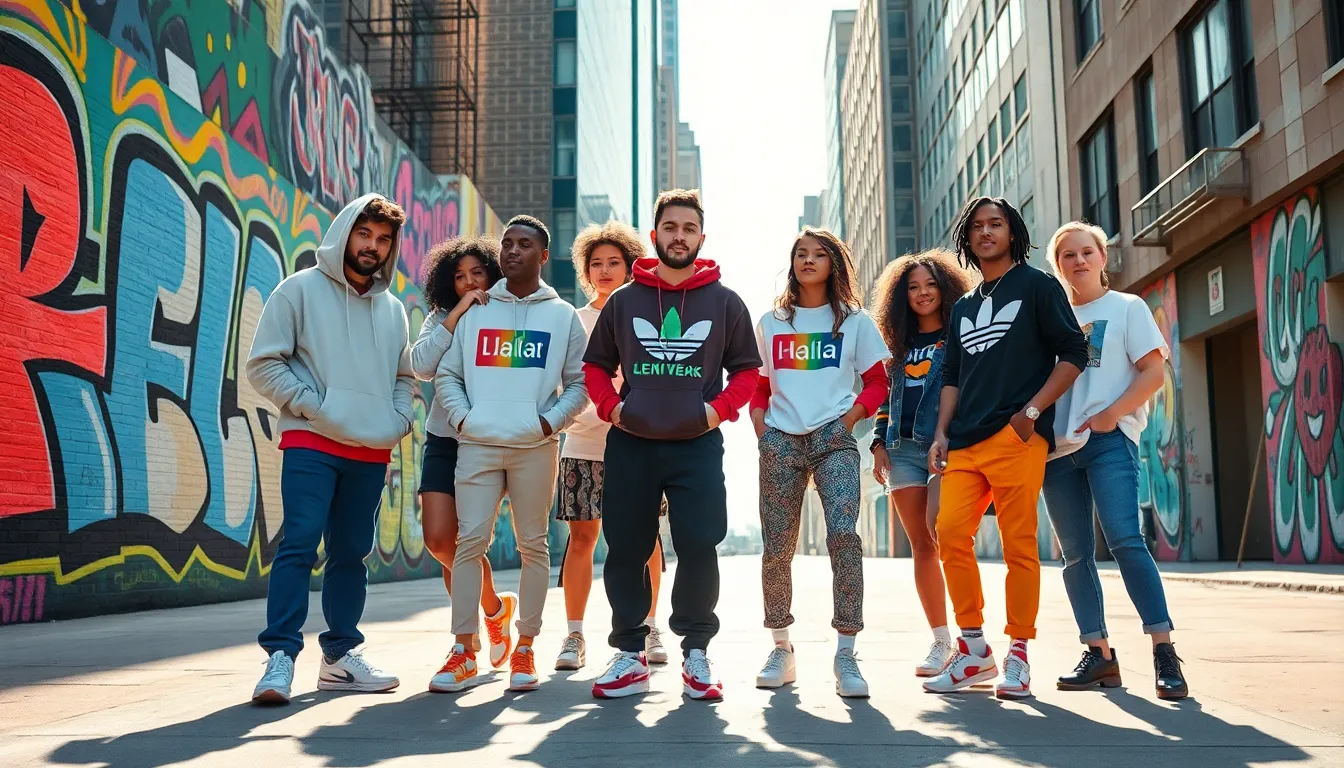
Italian streetwear isn’t just an accidental trend: it has roots that dig deep into the country’s rich fashion history. This style emerged during the late 20th century, around the 1980s and 1990s, when youth culture started to merge with high fashion. The rise of skateboarding, music, and urban art transformed the landscape of what Italians wore on the streets. Influences were drawn from America’s hip-hop scene and the punk movement, creating a new identity for self-expression. It wasn’t long before brands began reflecting the unique Italian ethos, combining practicality with artistic flair.
Key Influences in Italian Streetwear Culture
Several factors have played pivotal roles in shaping Italian streetwear. Firstly, the iconic cities themselves, Milan, Rome, and Florence, acted as cultural hubs where art, music, and fashion collide. Fueled by the energy of street art and vibrant music scenes, youth found inspiration everywhere, from graffiti on dilapidated buildings to the beats of local bands. Also, global influences from America and Asia added layers to this style nexus. Designers began to explore their boundaries, infusing local heritage into modern silhouettes. This cultural melting pot conceived a style that resonates across generations.
Prominent Italian Streetwear Brands
A handful of brands have risen to prominence in the Italian streetwear sector, each telling a story through their unique approach. For instance, GCDS is known for its bold colors and cheeky graphics, often seen on the backs of influencers scrolling through social media. Then there’s the infamous Palm Angels, which embodies Californian skate culture infused with an Italian twist, creating a global sensation. Brands like Diesel and Superga bridge the gap between casual wear and street chic, as they innovate while honoring their Italian heritage. Their influence extends beyond borders, shaping the streetwear landscape worldwide.
Style Elements That Define Italian Streetwear
What makes Italian streetwear so captivating? It often boasts an effortless fusion of luxury with casual ease. Picture oversized jackets layered on top of fitted tees, combined with sneakers that often defy gravity. Bright colors clash with muted tones, creating visual drama that turns heads. Signature pieces might include relaxed trousers adorned with playful prints or tailored shirts made from unexpected materials. Accessories can range from statement necklaces to beanies emblazoned with quirky slogans. In essence, it’s a style that invites personal expression while paying homage to classic Italian craftsmanship.
The Role of Social Media in Italian Streetwear
In today’s digital landscape, social media acts as the lifeblood for streetwear culture, and Italian streetwear is no exception. Platforms like Instagram and TikTok have transformed how outfits are styled and shared. Influencers play a significant role, showcasing what’s trending while setting new fashion standards. Brands use eye-catching campaigns, often leveraging user-generated content to foster community. This seamless blend of creativity and commerce captures the essence of Italian streetwear, allowing it to thrive in a fast-paced, visually-driven world.
Global Impact of Italian Streetwear
Italian streetwear’s influence stretches far beyond its borders, impacting global fashion trends. Cities like New York, Tokyo, and Paris have integrated Italian designs into their own street culture, praising the unique aesthetic that Italian brands contribute. Collaborations with international artists and brands have further solidified this impact, enabling cross-cultural exchanges that redefine style standards. As Italian streetwear becomes more prominent, it also prompts discussions about sustainability and ethical fashion practices, urging brands and consumers alike to consider their choices.
Future Trends in Italian Streetwear
Looking ahead, Italian streetwear shows no signs of slowing down. The conversation surrounding sustainability is likely to become even more prominent, with brands adopting eco-friendly materials and ethical practices. Nostalgia for the 90s and early 2000s continues to drive styles, promising a revival of past trends crafted through modern lenses. Also, the melding of technology with fashion, think smart fabrics and digital fashion shows, could reshape how consumers interact with street fashion. The future is bright and exciting, and Italian streetwear remains at the forefront of this creative revolution.